How to Care for an Antique Swedish Mora Clock
- moraclocks.co.uk

- Apr 22
- 4 min read
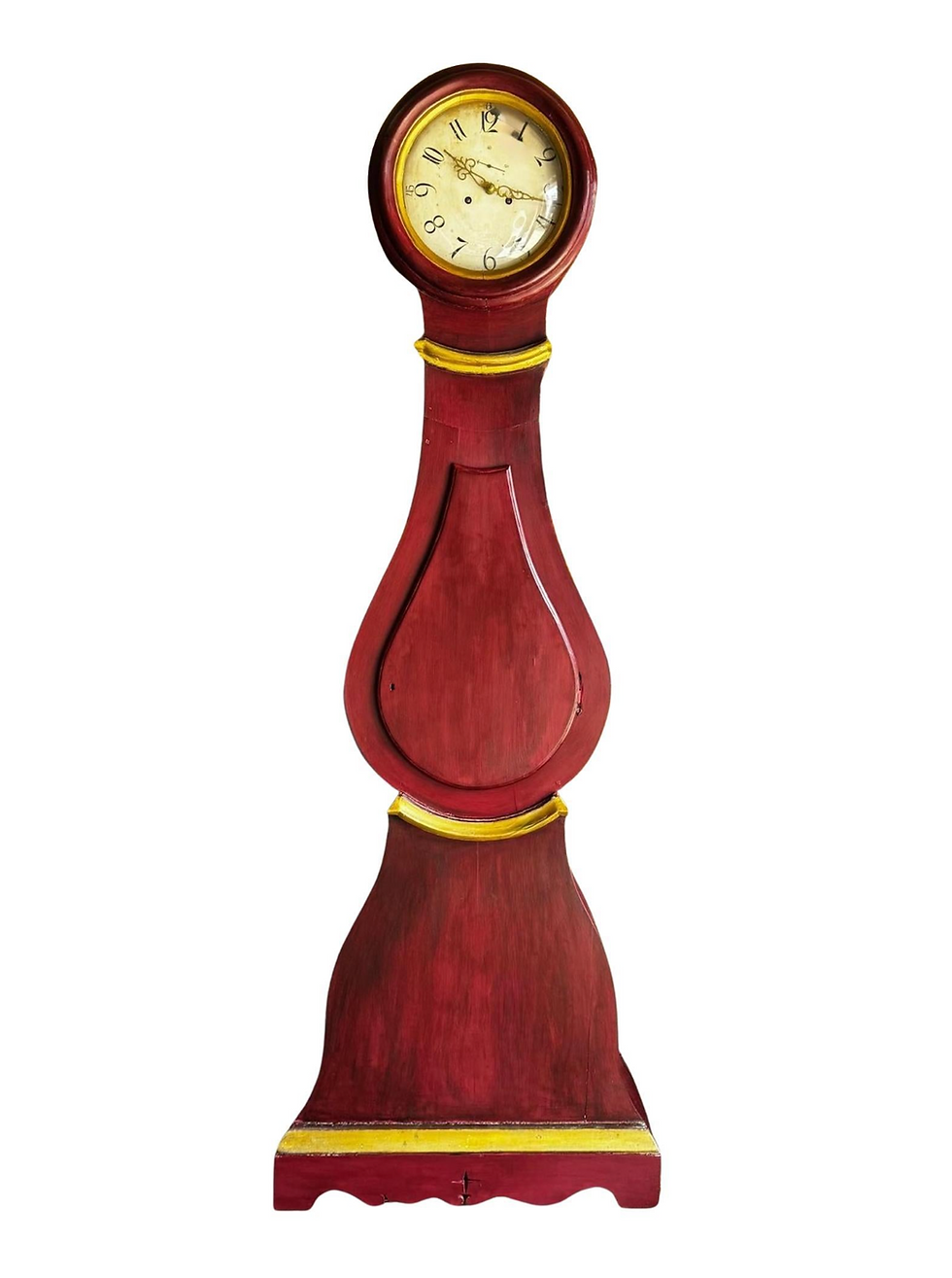
An antique Swedish Mora clock is far more than a timepiece. It is a statement of craftsmanship, history, and quiet luxury. With its graceful proportions, hand-painted case, and beautifully aged character, a Mora clock becomes the focal point of a hallway, drawing room, sitting room, or bedroom in a way few other antiques can. Proper care is essential not only to preserve its beauty, but also to protect its originality and long-term value.
For collectors and interior designers in the UK and USA, understanding how to care for a Swedish Mora clock correctly is an important part of ownership. These clocks are both decorative antiques and mechanical objects, and they respond best to gentle, informed handling rather than modern cleaning methods or over-restoration.

Why Correct Mora Clock Care Matters
A fine antique Swedish Mora clock can survive for centuries if looked after properly. The body is usually made from softwood, often with a painted finish, while the movement, dial, pendulum, and hands are all delicate historic components. Every part contributes to the character of the piece.
Poor care can reduce both visual appeal and value. Harsh furniture polish, strong heat, damp conditions, aggressive repainting, and amateur repairs can all damage an antique Mora clock. By contrast, sensitive care helps preserve the original painted surface, the movement, and the mellow patina that serious buyers value so highly.
Place Your Antique Mora Clock in the Right Position
One of the most important parts of caring for a Mora clock is where you place it. These antique longcase clocks should be kept in a room with a stable environment. Sudden changes in heat or humidity can cause timber movement, lifting paint, and stress on old joints.
Avoid positioning a Mora clock beside a radiator, open fire, wood burner, underfloor heating source, or air-conditioning unit. Direct sunlight should also be avoided, as it can fade original paintwork and dry the wood over time.
The best location is usually a well-insulated interior room with a fairly even temperature. Hallways, living rooms, and bedrooms often work well, provided they are not damp. A conservatory, garden room, or very cold entrance hall is generally a less suitable environment for a valuable antique clock.
How to Dust and Clean a Swedish Mora Clock Case
The case should be dusted gently and regularly. Use a soft dry cloth or a soft natural-bristle brush to remove dust from the hood, body, carved detail, and base. This helps prevent dirt from building up and dulling the surface.
Do not use silicone sprays, modern furniture polish, abrasive cleaners, or wet cloths on the painted case. These products can leave residues, damage old surfaces, or create an unnatural shine. Antique Mora clocks are prized for their subtle aged finish, not for looking newly painted.
If the surface shows wear, gentle rubbing, craquelure, or uneven ageing, this is usually part of the clock’s charm. Collectors in the luxury antique market generally prefer authenticity over over-cleaning.
How to Clean the Glass and Dial Safely
The glass panel can be cleaned carefully, but always with restraint. Never spray glass cleaner directly onto the glass, because liquid can run onto the dial, timber, or interior of the case. Instead, apply a small amount of cleaner to a cloth first, then wipe lightly.
The dial should be treated with much greater caution. Many antique Swedish Mora clocks have painted dials, hand-finished numerals, and surfaces that are easily damaged by rubbing. Do not use metal polish, abrasive cream, or any strong cleaning product on the dial or hands. If the dial is marked or discoloured, it is usually better to leave it alone unless a true antique clock specialist advises otherwise.
Keep the Clock Level and Stable
A Swedish Mora clock needs to stand correctly to run well. If it is leaning, rocking, or standing unevenly on an old floor, the pendulum may not swing as it should. This can affect both performance and stability.
Make sure the base is firm and that the clock is not vulnerable to knocks. In a busy home, avoid placing it where doors, pets, or passing furniture may catch the case. Because Mora clocks are elegant and narrow-waisted, they should always be treated as fine furniture rather than everyday utility objects.
Preserve the Original Painted Finish
For many buyers in the UK and USA, the original or early painted finish is one of the most desirable qualities of an antique Mora clock. Soft greys, creams, pale blues, muted greens, and naturally worn surfaces are part of what gives these clocks their decorative sophistication.
Do not strip, sand, or repaint a Mora clock without expert guidance. Over-restoration can remove historic character and reduce value. Even when a case has age marks and surface wear, that honest patina is often exactly what makes the piece so appealing in a refined interior.
Antique Swedish Mora Clock Care for Long-Term Value
Owning an antique Swedish Mora clock is about stewardship as much as enjoyment. These clocks bring elegance, height, softness, and history into an interior, but they reward careful ownership. Keep the environment stable, clean the case gently, avoid harsh products, and use professional servicing when needed.
Handled properly, an antique Mora clock can remain a beautiful centrepiece for generations and continue to hold strong appeal for discerning luxury buyers in both the UK and USA.


Comments